The Trojan Horse Attack on Your Reproductive Powerhouse
If you care about your health, your testosterone levels, and maybe even the idea of having kids one day, this is something you’ll want to read.
By
Vince Speroni
4
minute read
We often get the question: I already have cotton underwear, so nothing to worry about, right?
Let’s get into it.
The Reproductive Powerhouse
The thing that dangles between your legs and causes you to get up in the middle of the night to release liquid has various cultural names.
Often referred to as your balls, nuts, sack, testicles, or family jewels.
For the sake of this article, we’re going to refer to that area as your Reproductive Powerhouse.
It is quite literally the reproductive powerhouse of humanity. If that area is under constant attack, then making more humans becomes harder.
So when you’re evaluating what kind of fabric to wear, there’s valid reason to be skeptical when putting non-organic cotton on your balls 24/7, 365 days a year.
The Trojan Horse Attack
Cotton is one the most pesticide-intensive crops on the entire planet. Around 440 million tons of pesticides are estimated to be used on cotton each year.
So while cotton is inherently a natural fabric, the farming process can alter its natural state by adding in pesticides and other chemicals.
Not plastic.
But no longer fully natural.
Pesticides, hiding behind the cotton fabric label.
It’s like a trojan horse attack.
Ok sure, it’s not ideal that my cotton underwear was drenched in pesticides.
While that sounds bad, is there any evidence that pesticides are bad for my reproductive powerhouse?
If there’s a pair of cotton underwear you’ve been hanging onto for 5 years, don’t keep reading this. You may not be able to look at them the same.
The Study
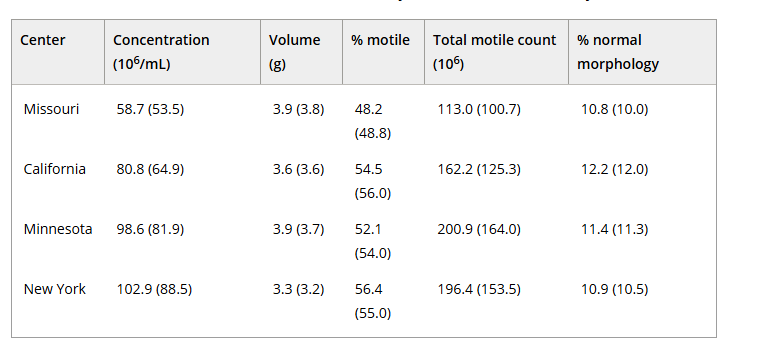
A groundbreaking study by environmental and reproductive epidemiologist Dr. Shanna Swan, titled “Semen Quality in Fertile US Men in Relation to Geographical Area and Pesticide Exposure,” uncovered something deeply concerning: men exposed to high levels of pesticides are seeing a significant decline in sperm quality.
The study looked at non-smoking men aged 21 to 40 from four different states—Missouri, California, Minnesota, and New York—to get a clear picture of how location and environment affect reproductive health.
Men from agriculture-heavy, pesticide-rich areas like Missouri had markedly lower semen quality than their peers in other regions.
The summary is simple: more pesticides = worse sperm.
That’s Why Organic Matters
Organic isn’t just an overused buzzword used by Whole Foods fanatics.
It’s a promise that your cotton product is not infected with pesticides (or insecticides, fertilizers, or other toxic inputs).
Organic means that cotton is simply just cotton. It’s clean, safe, and grown the right way.
Organic cotton feels better against your skin and is a healthier option for your Reproductive Powerhouse.
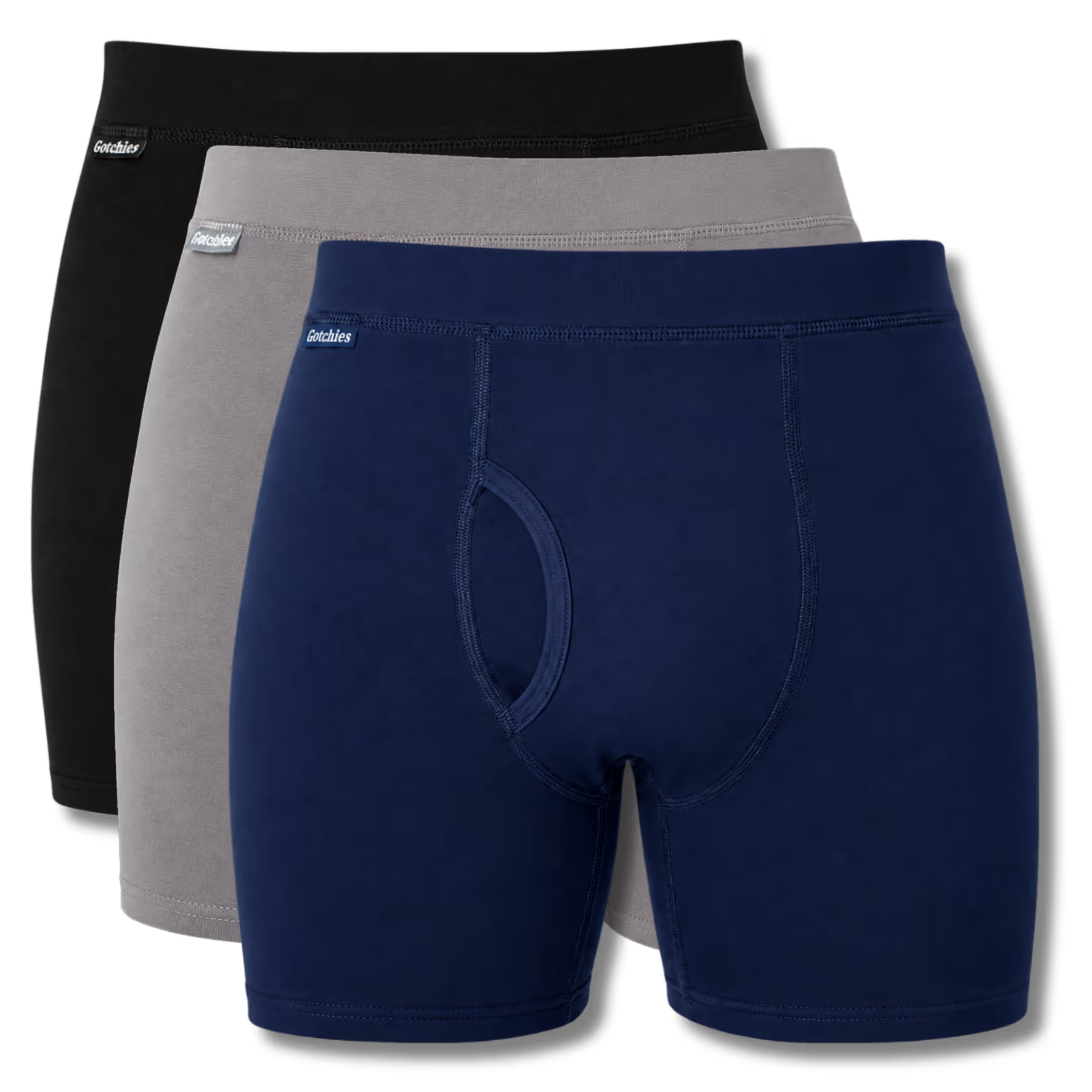
That’s why every pair of underwear we make is crafted using GOTS Certified Organic Cotton.